
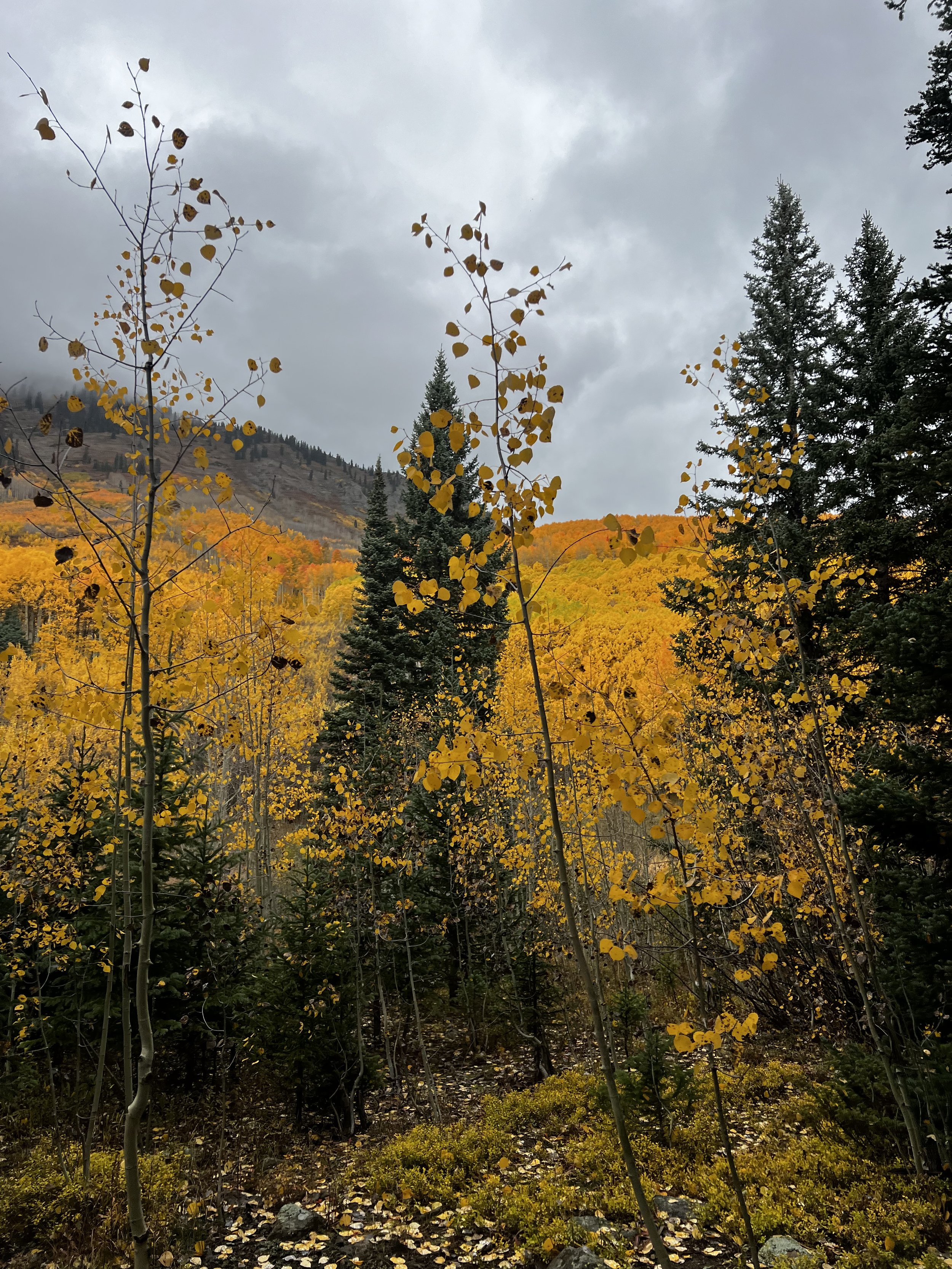
Fall Tree Care in Colorado Springs and the Front Range
What your trees go through this fall decides how they leaf out next spring. Front Range trees head into winter facing dry air, thin snow cover and temperature swings that can go from sunny weather to a hard freeze in a matter of days.
Tall Timbers has helped homeowners in Colorado Springs, Castle Rock, Monument and the surrounding Front Range get their trees ready for winter since 2000. Our ISA Certified Arborists will walk your property, tell you what each tree needs, and handle the parts you'd rather not.
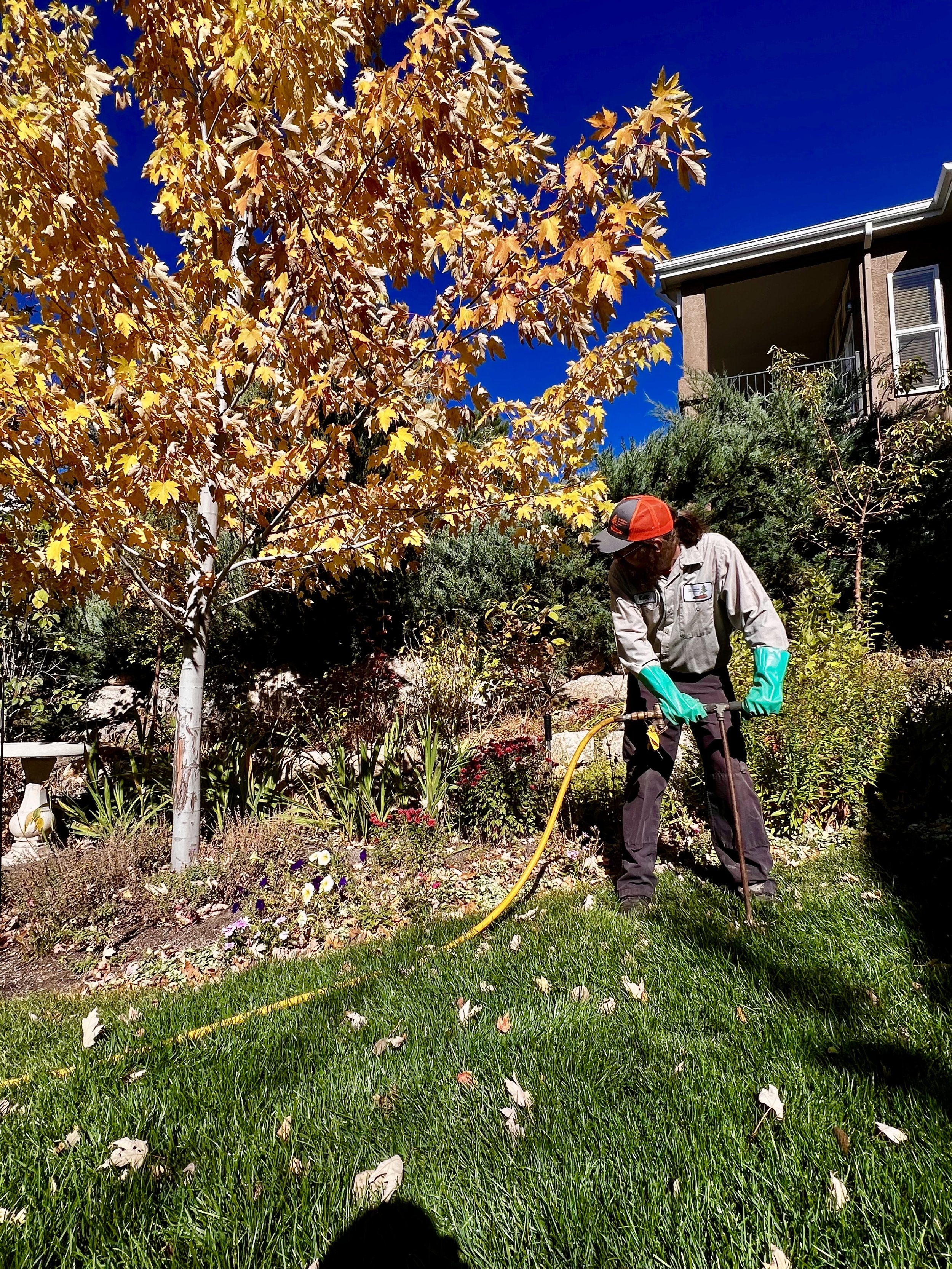
Why Fall Tree Care Matters More on the Front Range
Trees here don't get a gentle slide into winter. Colorado Springs' city forester has pointed to falls like 2019, when temperatures fell from the 70s to single digits in a few days and caught trees before they had gone dormant. The damage often doesn't show until spring, when branches fail to leaf out.
Our falls and winters can also be very dry. Roots keep living and losing moisture all winter, and without snow cover or supplemental water, they dry out. Add early wet snowstorms that land on trees still holding their leaves, and limbs can snap under the weight.
The good news: most of this is preventable with a few well-timed steps.
Your Fall Tree Care Checklist:
Fall Fertilization
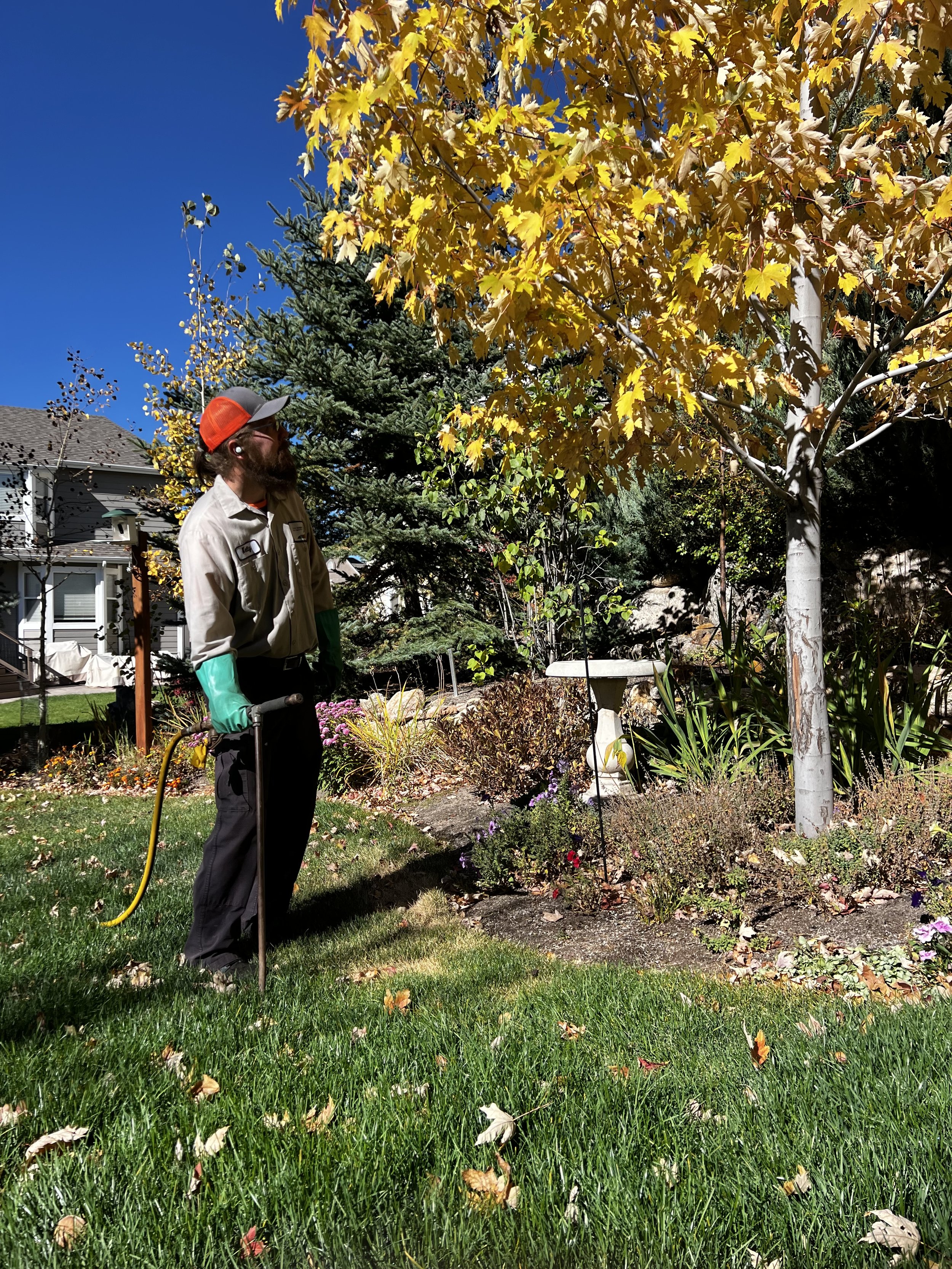
Fall is a great time to feed trees and shrubs. After the leaves drop, trees shift energy into their roots, building and storing the reserves they'll draw on all winter and into spring. Feeding now goes straight to those roots.
We use deep root fertilization with our own in-house blends, Root Regen Pro and Rocky Mountain Blend, formulated for Front Range clay and alkaline soils. Treatments continue until the ground freezes.
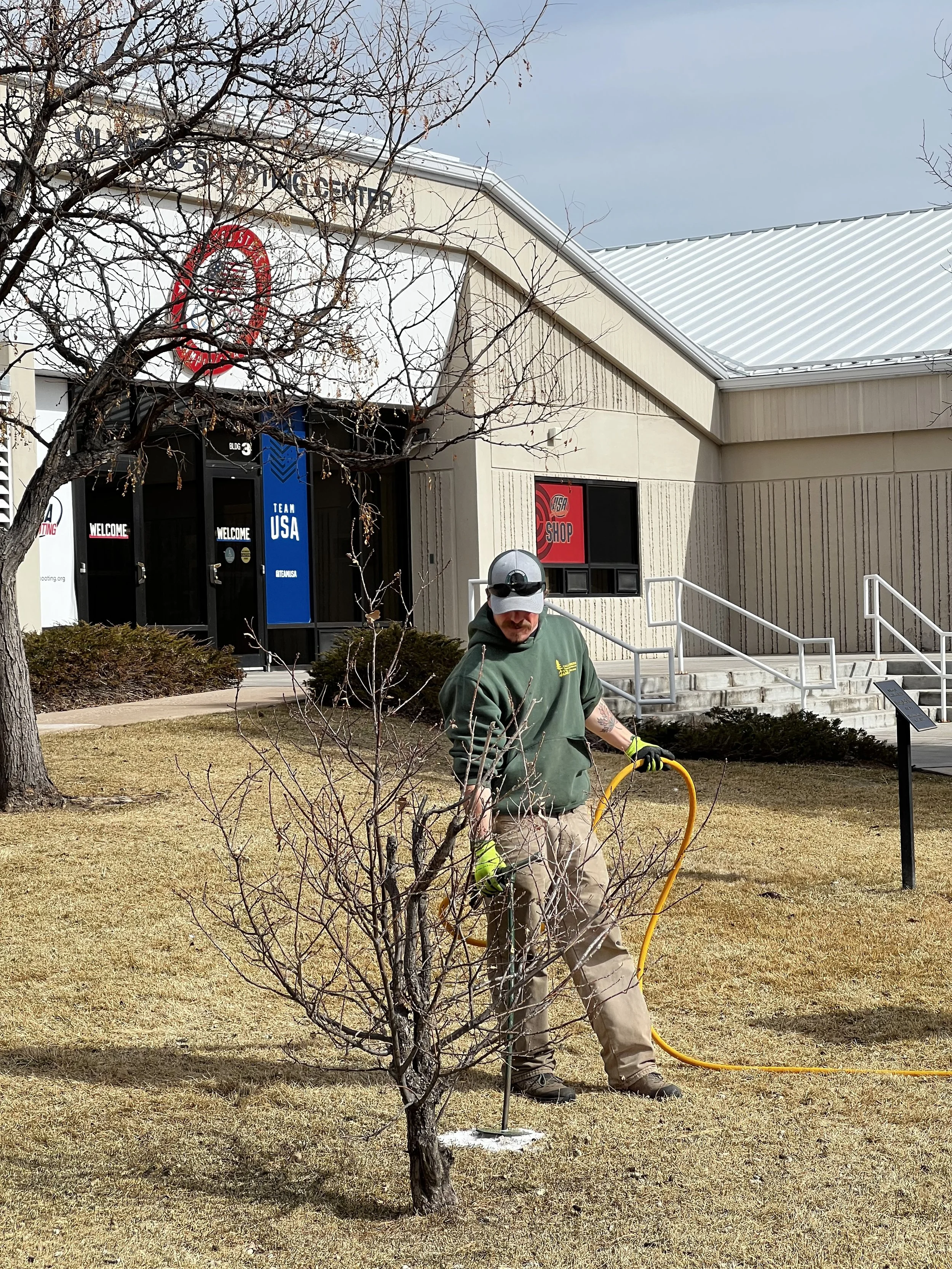
Deep Root Watering
A thorough watering before the ground freezes is one of the best things you can do for your trees. A good rule of thumb is about 10 gallons per inch of trunk diameter, applied slowly around the drip line, not at the trunk.
Once your sprinklers are blown out, keep watering by hand about once a month through winter whenever we go several weeks without snow. Water midday when it's above 40°F and the ground isn't frozen.
Pruning Dead and Weak Branches
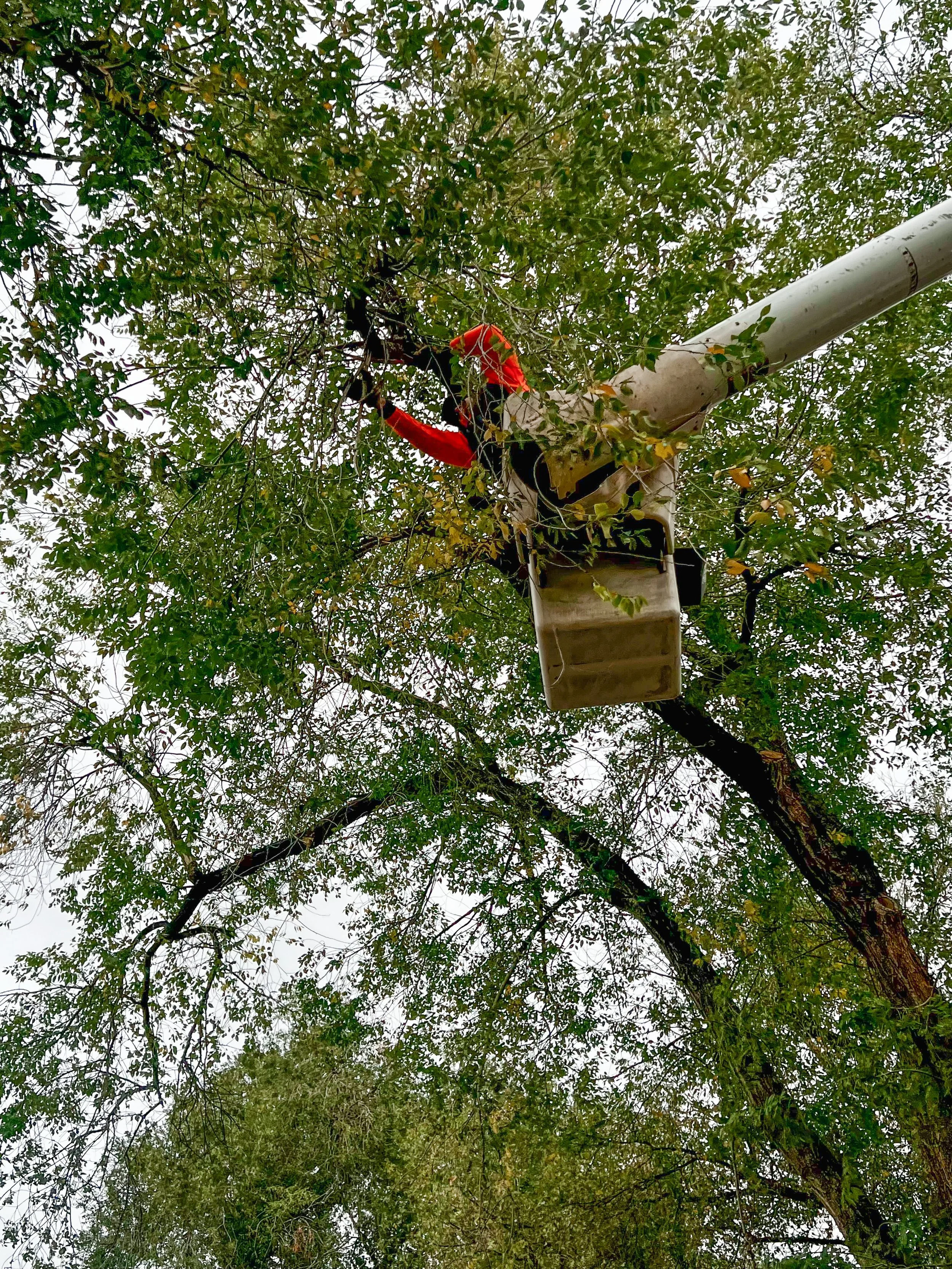
Once the leaves fall, dead and weak branches are easy to spot. Removing them now lowers the risk of limbs coming down in the first heavy snow, onto your roof, car or fence.
Major structural pruning on most species is best done in late winter while trees are fully dormant. We'll tell you what should come off now and what can wait.
Wrapping Young Trees
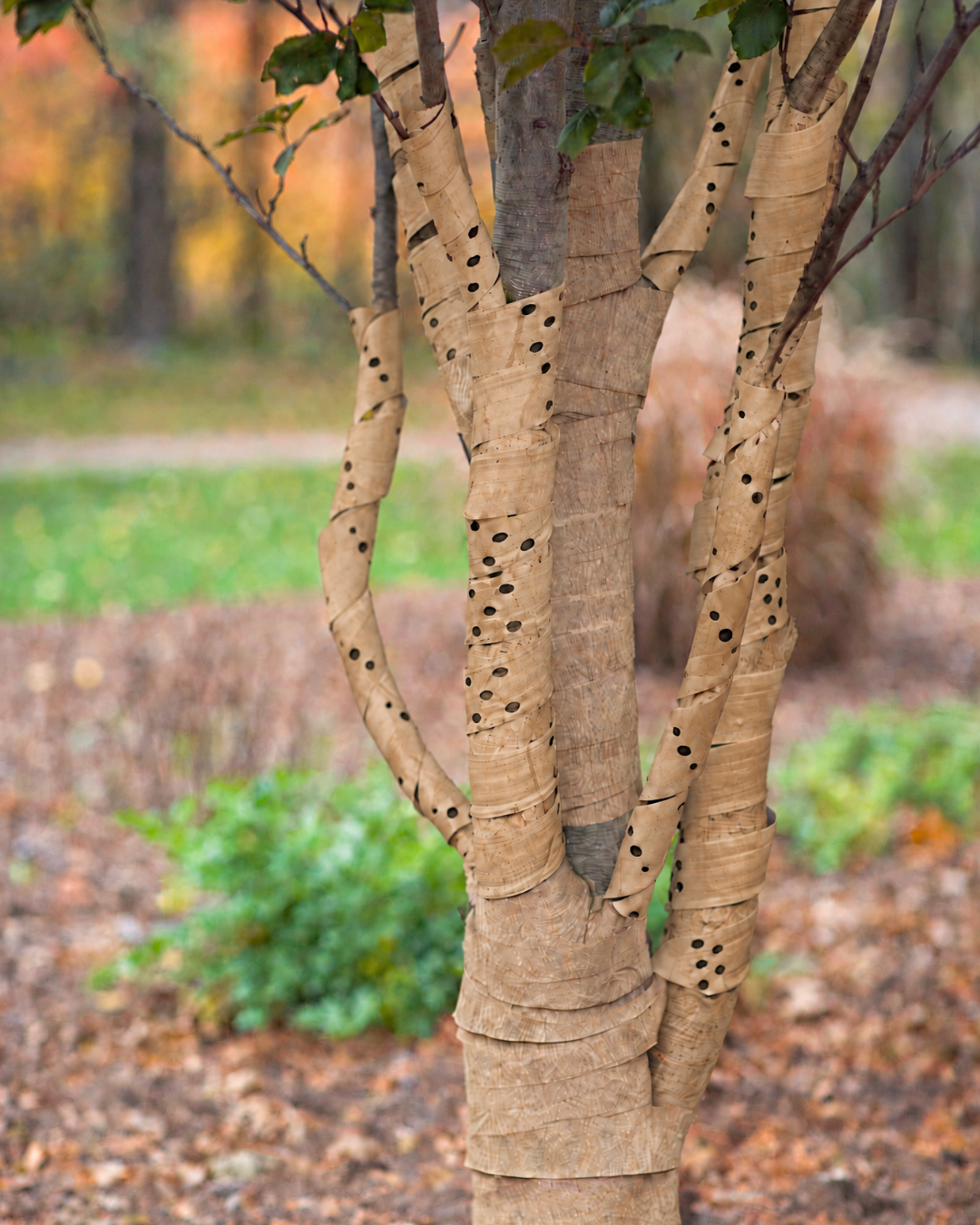
Thin-barked young trees like honeylocust, maple, linden and ash are prone to sunscald and frost cracks. Our bright winter sun warms the bark during the day, then it freezes hard at night, and the bark splits.
Wrap the trunk from the ground up to the first branches with commercial tree wrap in fall, and take it off in spring so it doesn't hold moisture or hide pests.
Mulching
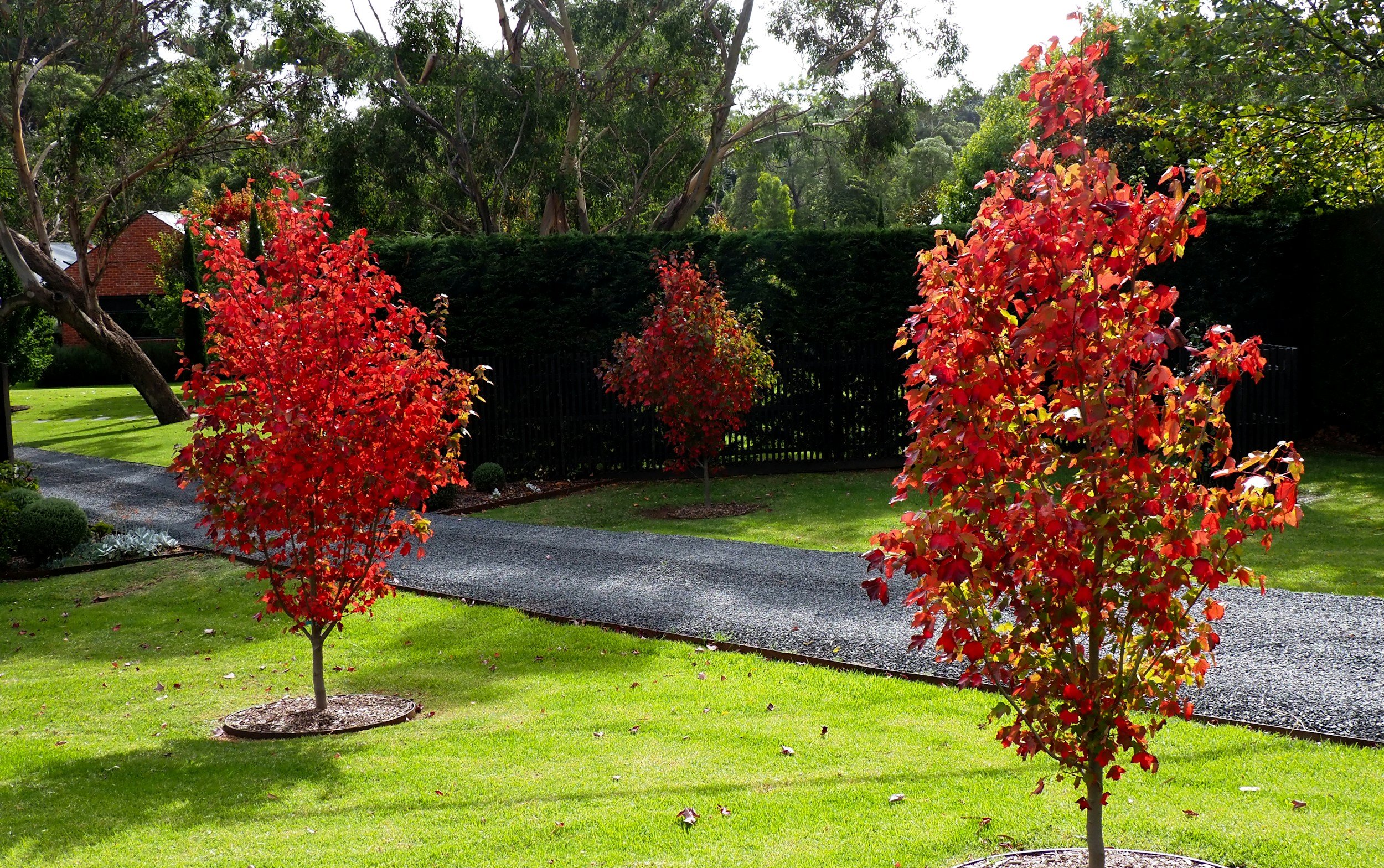
A 2 to 4 inch layer of wood chip mulch over the root zone holds moisture, evens out soil temperature and protects roots from freeze and thaw cycles. Keep it a few inches away from the trunk. Mulch piled against the bark (the "volcano") invites rot and rodents.
Wood chips make the best tree mulch, and they're the same material we produce on every job. We recycle 100% of the wood we remove.
Late Season Insect and Disease Diagnosis
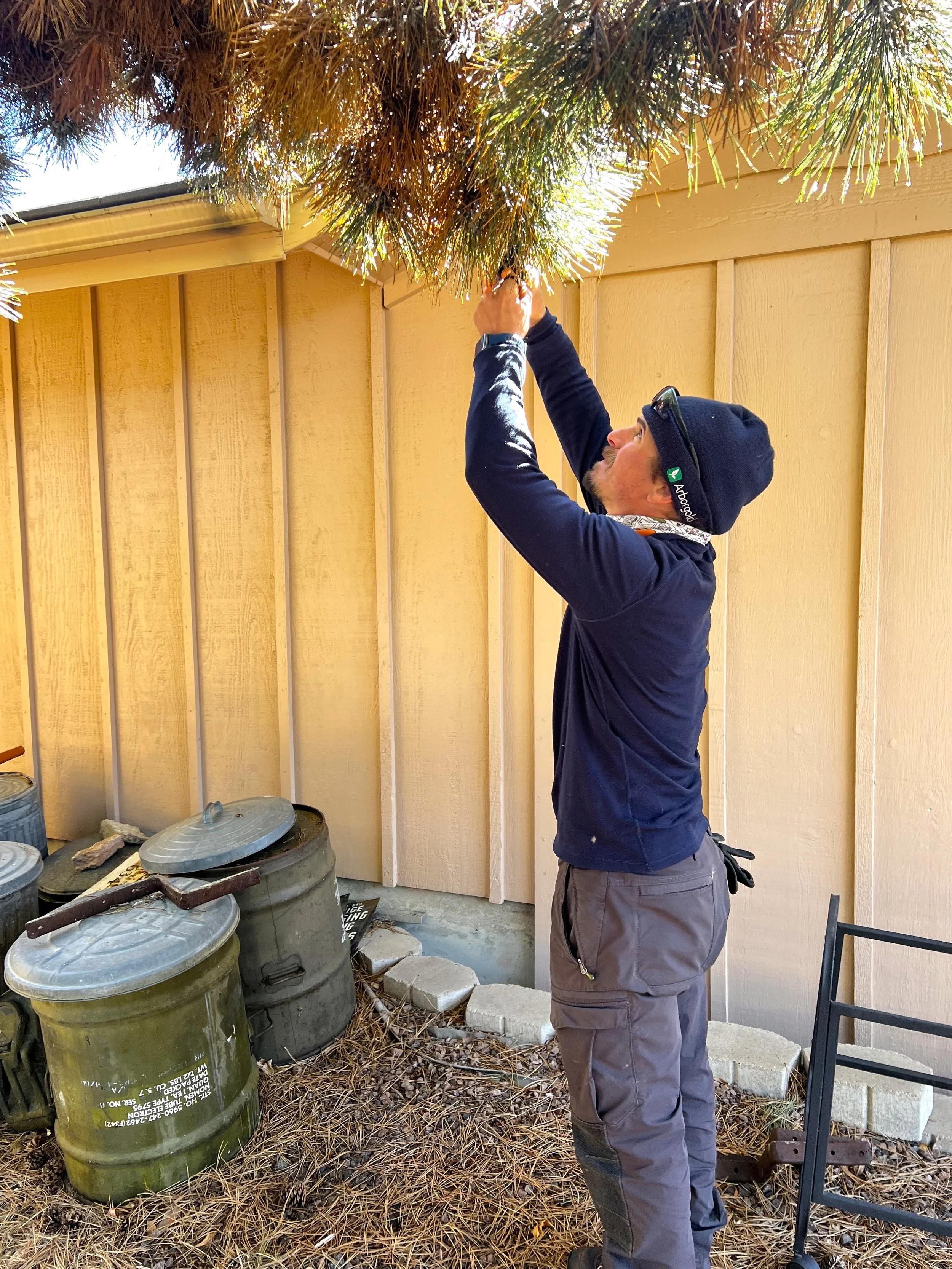
A few Colorado pests stay active late into fall. Some are worth treating now, others die off at the first hard freeze, and some are best handled in spring. With emerald ash borer now confirmed in Colorado Springs, fall is also a smart time to identify your ash trees and plan protection for next season.
Why Front Range Homeowners Choose Tall Timbers

✔ 25+ Years of Experience Serving El Paso and Douglas County – Trusted local tree care professionals
✔ ISA Certified Arborists – Expert tree care backed by industry-best practices
✔ Fully Licensed & Insured – Protecting your property and landscape
✔ Accurate Diagnosis First – We do not push treatments. We diagnose the problem and recommend only what your trees actually need
✔ Specialized Knowledge of Colorado Trees – Experienced with pines, spruce, aspens, and all native species
✔ Family-Owned Colorado Company – Professional, dependable, and community-focused
✔ Free Estimates & Honest Pricing – Transparent recommendations with no hidden fees
Schedule Your Fall Tree Care Today!

While We’re There: Holiday Lighting
While we’re out caring for your trees, we also offer holiday lighting. If you’d like your Christmas lights hung this season, just let us know and we’ll take care of it.
Fall Tree Care FAQ:
-
Fall and spring are both great times to fertilize. In fall, trees shift their energy to the roots as they head toward dormancy, so nutrients go right where they're needed for winter and next spring's growth.
-
Remove dead, broken or hanging branches in fall, before snow loads them. Save major structural pruning for late winter, when most trees are fully dormant.
-
Yes. Water about once a month when we go about four weeks without snow cover, on a day above 40°F when the ground isn't frozen. Aim for about 10 gallons per inch of trunk diameter each time.
-
Young, thin-barked trees like honeylocust, maple, linden and ash. Wrap them in fall from the ground to the first branches, and remove the wrap in spring.
-
It depends on the number, size and condition of your trees. Evaluations are free, and every job comes with a written estimate.
-
Yes. We serve Castle Rock, Parker, Castle Pines and the rest of Douglas County, along with Colorado Springs, Monument, Black Forest and the Pikes Peak region. Call our Castle Rock office at (720) 799-7858.
