Emerald Ash Borer Treatments in Colorado Springs
ISA Certified Trunk Injection Treatments in Colorado Springs
✅ Licensed & Insured ✅ Locally Owned ✅ISA Certified Arborist ✅ Free Estimates ✅ 25+ Years Experience
Why Ash Trees in Colorado Springs Are at Risk Right Now
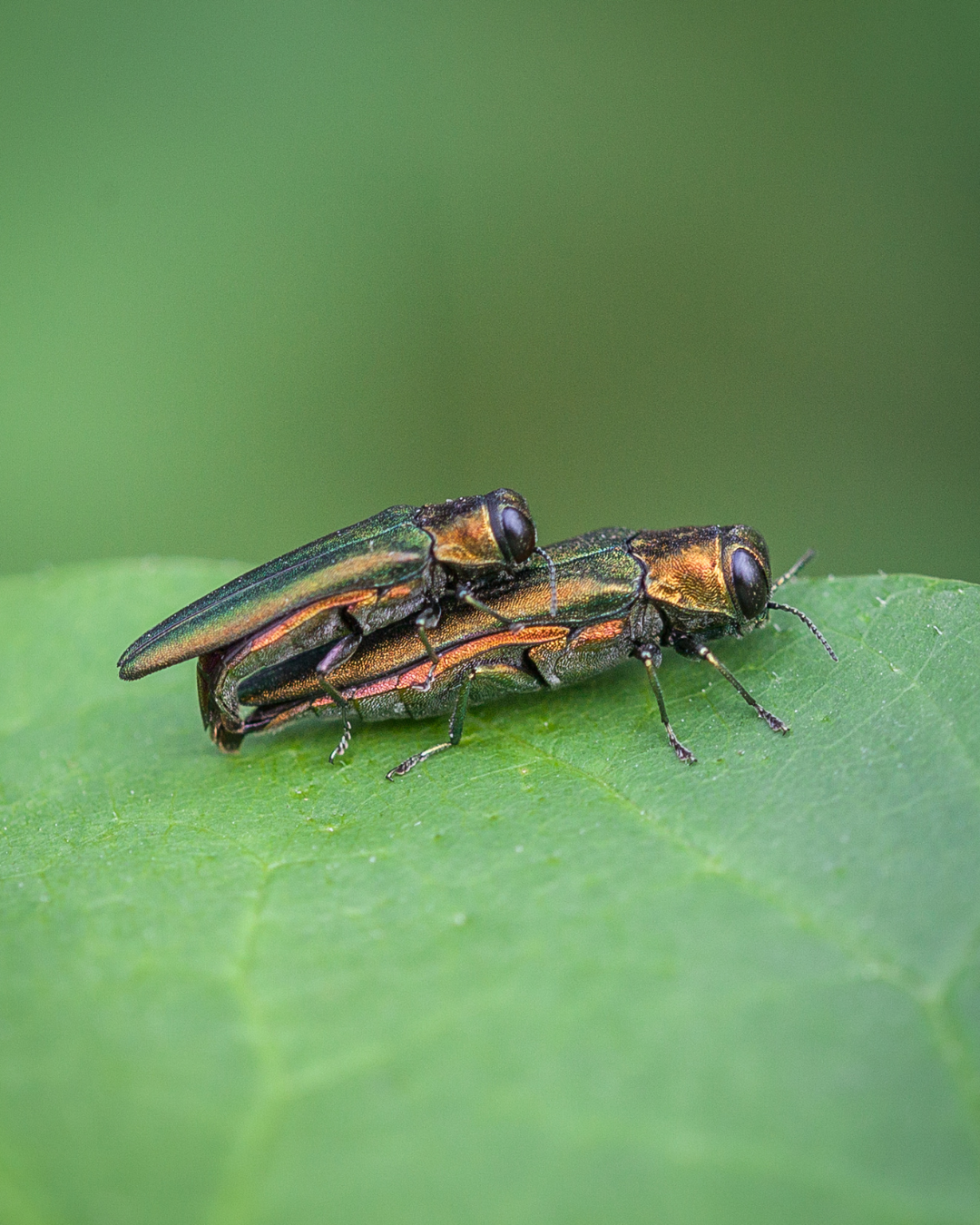
Ash trees make up roughly one in five trees across the city, which means this isn't a niche problem. It's a neighborhood by neighborhood one. Emerald ash borer larvae feed under the bark, cutting off a tree's ability to move water and nutrients. Research compiled by Colorado State University shows that without treatment, an infested ash typically dies within three to five years, and by the time damage is visible from the ground, the infestation is often well established.
It's worth understanding what makes EAB different from other pests you may have heard about, like mountain pine beetle. Mountain pine beetle mainly targets trees that are already stressed or declining. Emerald ash borer doesn't discriminate. It attacks healthy, vigorous ash trees just as readily as weak ones, since ash trees in the US have no real natural defenses against it. A perfectly healthy ash in your yard is not protected just because it looks strong.
The good news is that treatment works, and it works best when it starts before a tree shows obvious symptoms. That is the single biggest factor in whether an ash tree can be saved.
Is Your Ash Tree at Risk?
How to tell if you have an Ash Tree:
Compound leaves with 5 to 11 leaflets arranged opposite each other on the branch
Buds and branches growing directly across from one another, never staggered
Grayish brown bark with diamond shaped ridges on mature trees
Signs of an active infestation:
S-shaped tunnels beneath peeling or damaged bark
Small, D-shaped exit holes in the trunk or branches
Thinning canopy or dieback starting at the top of the tree
Unusual sprouts growing near the base of the trunk
Increased woodpecker activity, since birds feed on the larvae underneath
Treatment Options That Actually Work
Basal Bark Spray
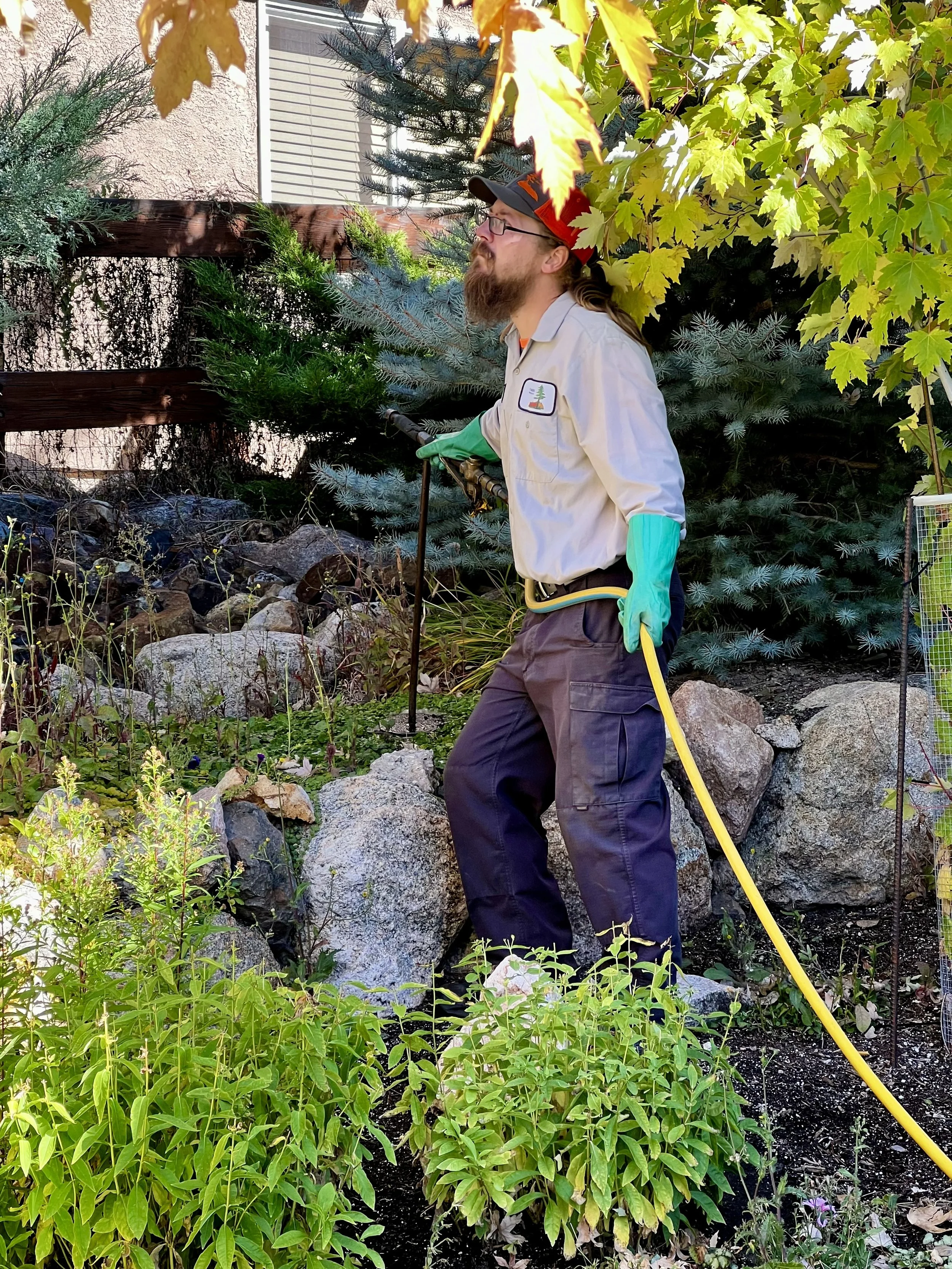
Applied directly to the lower trunk, where it's absorbed quickly and moves through the tree faster than a soil treatment. It's a solid middle option when trunk injection isn't the right fit, offering quicker uptake than a soil drench with less disruption to the tree than injection.
Applied around the base of the tree and absorbed through the root system. We treat this as our last resort option, since university research notes it's less consistent on larger trees, roughly 12 inches in trunk diameter or more, where even high dose applications can still allow some canopy loss. It's still useful for smaller ash trees or as part of a broader property treatment plan, and we'll be upfront about where it fits compared to injection or basal bark spray.
Soil Applied Treatment
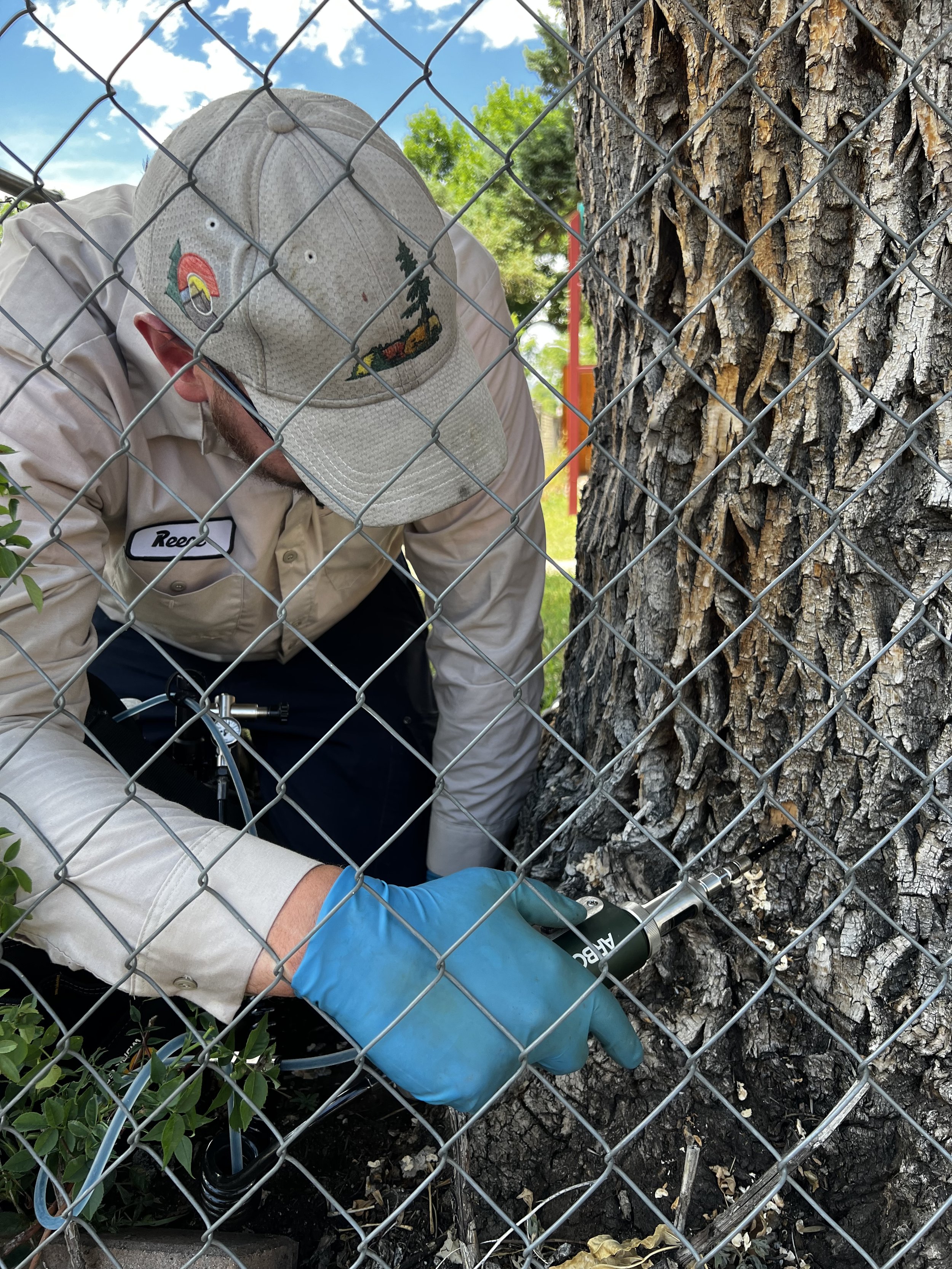
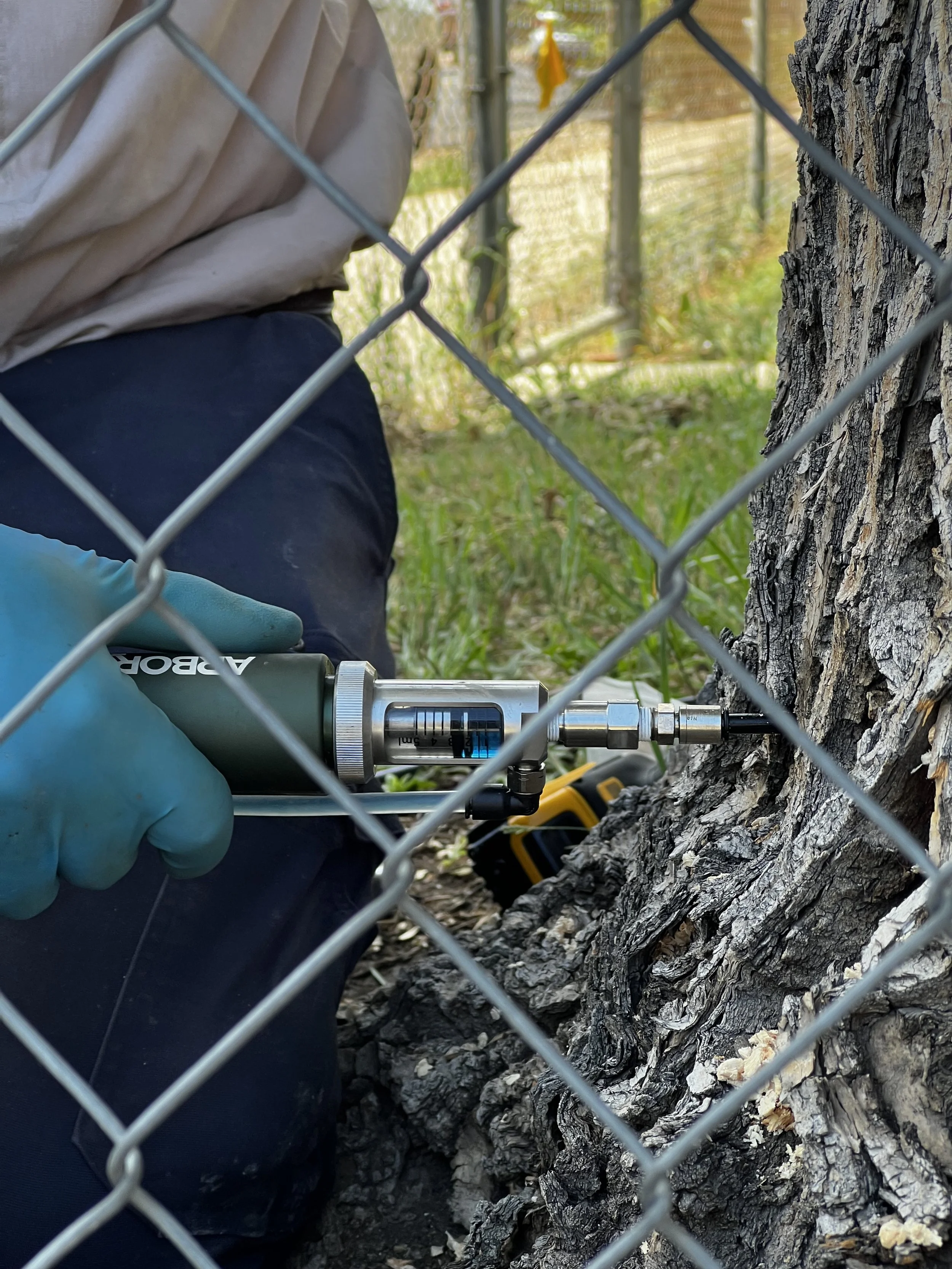
Our first choice for most established ash trees. Long term university research, including studies out of Michigan State, has found emamectin benzoate trunk injection to be the strongest performer against EAB, cutting larvae and exit holes significantly and holding protection for two to three years per application, even in areas under heavy infestation pressure. This is why it's considered the gold standard for ash trees at real risk.
Trunk Injection
Which Treatment is right for your tree?
That depends on trunk diameter, canopy health, proximity to known infestations, and how the tree is positioned on your property. This is exactly what our free assessment is for. We will never recommend treating a tree that is too far gone to save, and we will tell you plainly when removal is the more responsible option. Call today to schedule you free estimate (719) 528-8141.
Treatment vs. Removal: How We Help You Decide
Treat
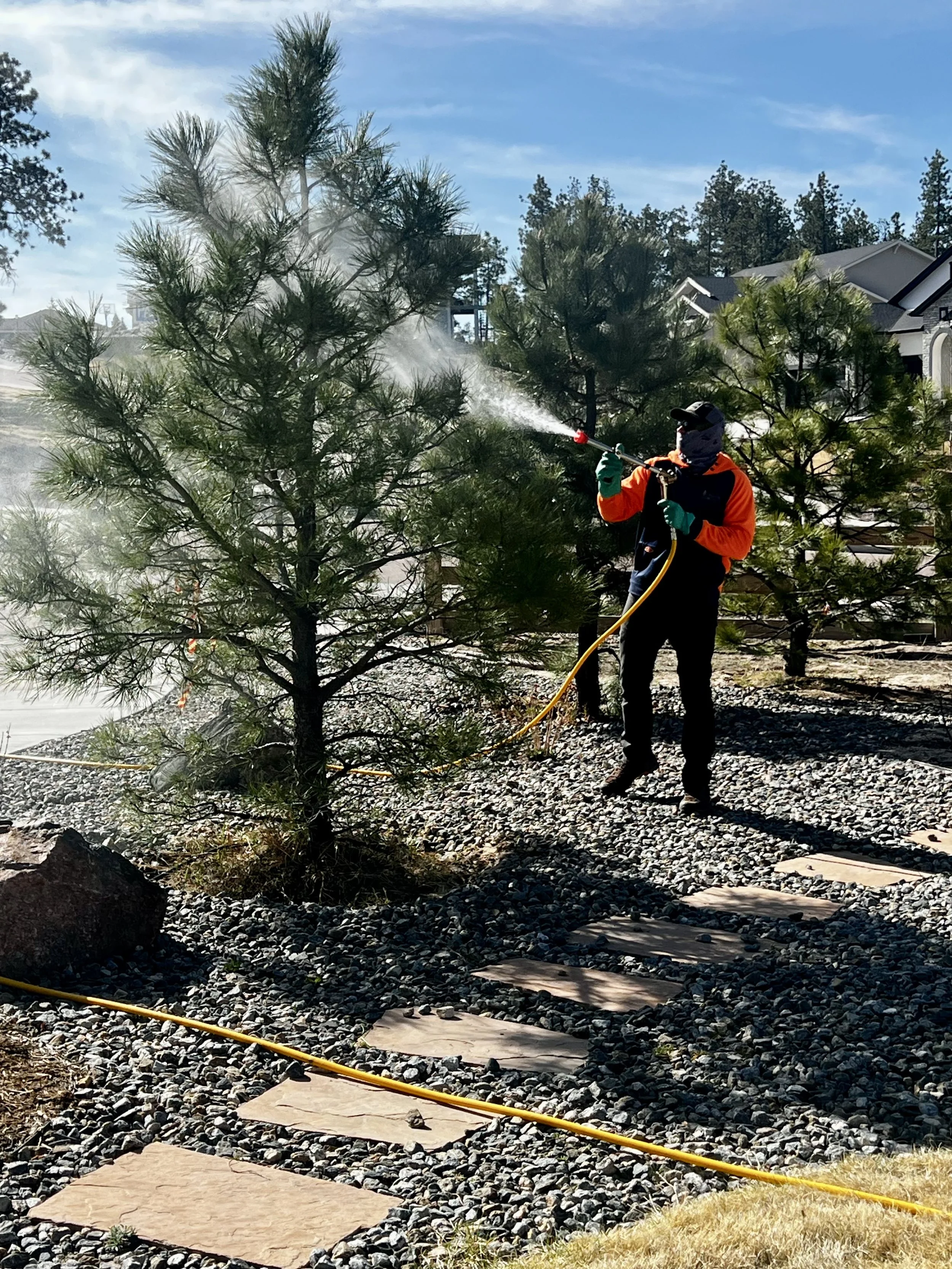
Canopy Health: Less than 30% dieback
Cost Over Time: Ongoing treatment every1-2 years
Tree Value: Mature, healthy, well positioned
Timeline: Best started before symptoms appear
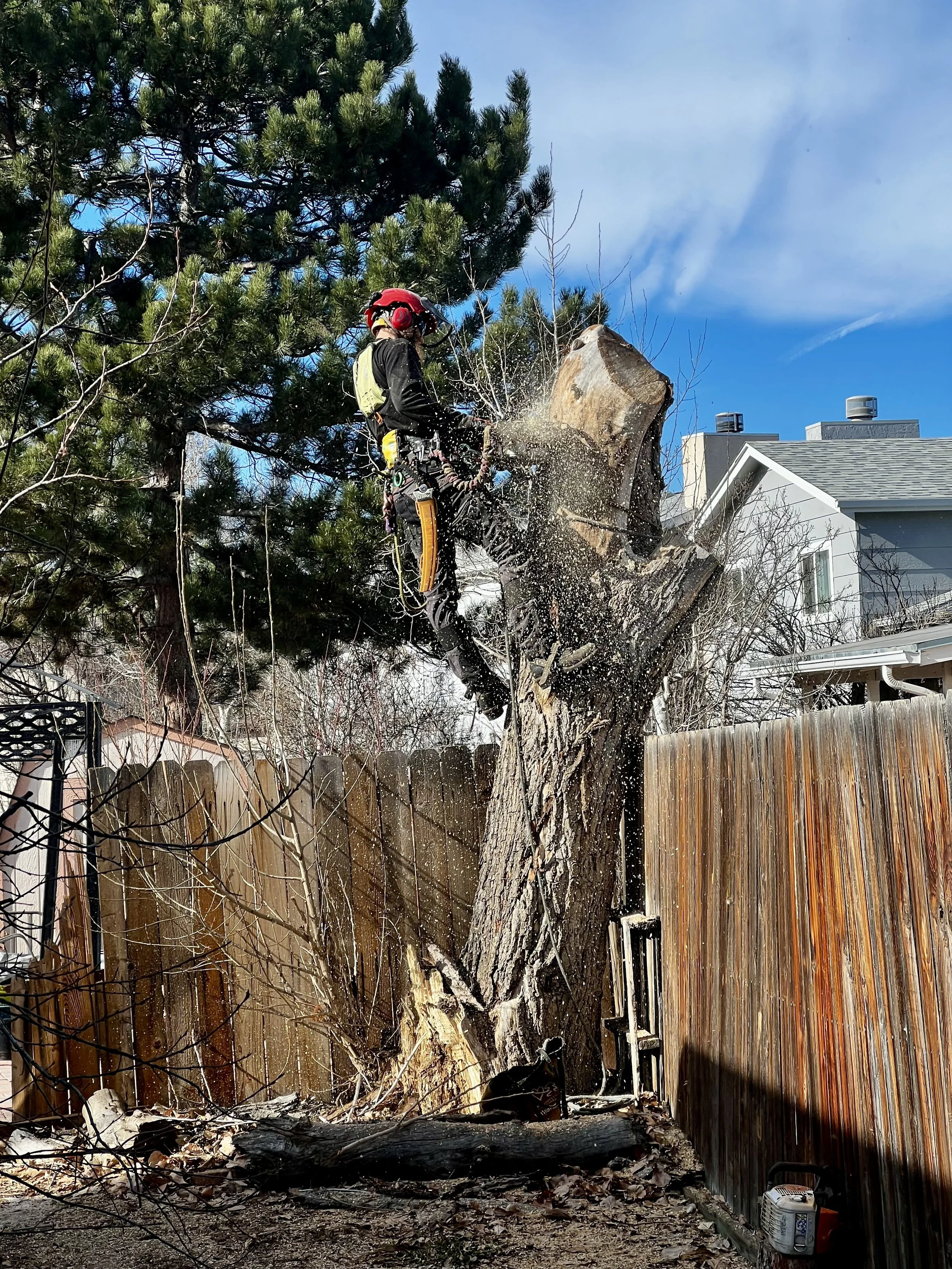
Canopy Health: More than 50% dieback
Cost Over Time:One time cost
Tree Value: Declining, hazardous, or poorly placed
Timeline: Often needed once structural decline sets in.
Our Process
Free on site assessment. An ISA Certified Arborist examines your ash trees size, health, and infestation risk.
Straight answer. We tell you whether treatment makes sense, what it costs, and what to expect.
Treatment or removal, done right. Trunk injections, basal bark spray, and soil treatments are applied by certified staff on a schedule that keeps your tree protected. Removals are handled with the same care and cleanup standard as every job we do.
Ongoing monitoring. We track treatment windows so your tree doesn't slip through the cracks between applications. EAB infestations start high in the canopy and work their way down, so our climbing crews are trained to watch for early signs during every job, not just ash-specific visits.
Why Colorado Springs Homeowners Choose Tall Timbers
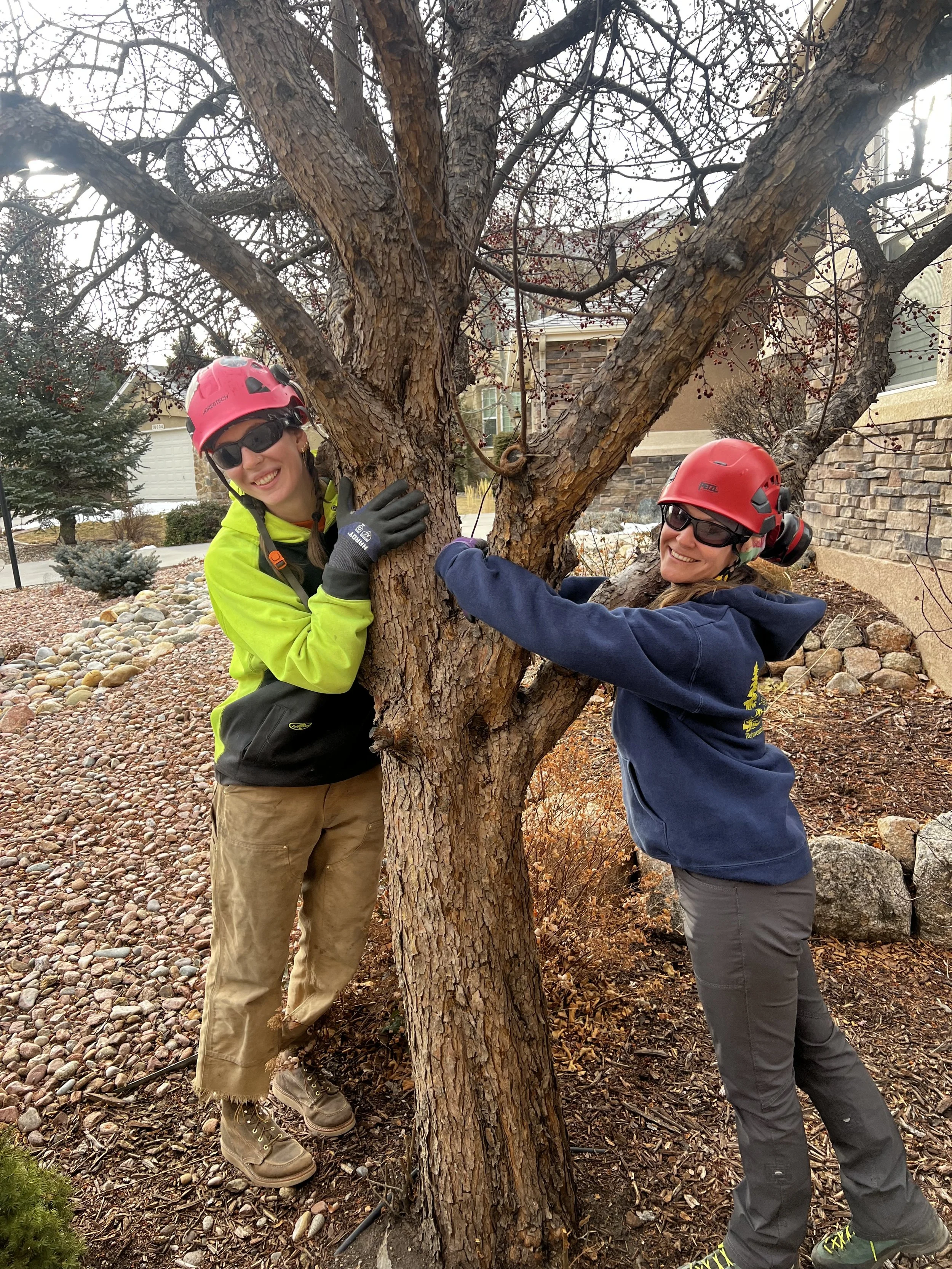
✔ 25+ Years of Experience Serving Castle Rock and Douglas County – Trusted local tree care professionals
✔ ISA Certified Arborists – Expert tree care backed by industry-best practices
✔ Fully Licensed & Insured – Protecting your property and landscape
✔ Accurate Diagnosis First – We do not sell treatments. We diagnose the problem and recommend only what your trees actually need
✔ Specialized Knowledge of Colorado Trees – Experienced with ash, pines, spruce, aspens, and all native species
✔ Family-Owned Colorado Company – Professional, dependable, and community-focused
✔ Free Estimates & Honest Pricing – Transparent recommendations with no hidden fees
Emerald Ash Borer FAQs
-
Cost depends on trunk diameter and treatment type, since larger trees require more product. Most homeowners find treatment significantly less expensive than removing and replacing a mature tree. We provide exact pricing after a free on site assessment.
-
Trunk injection is our first choice for most established ash trees and offers the longest protection window. Basal bark spray is applied to the lower trunk and works faster than a soil treatment while being less invasive than injection. Soil applied treatment is our last resort option, generally reserved for smaller trees, since it's less consistent on larger ash. Your assessment will tell us which one fits your tree.
-
It varies by tree, but trunk injection generally provides protection for about two years per application. Basal bark spray and soil applied treatments are typically reapplied more often. We'll give you a specific schedule based on your tree's size and condition, and we track it so you don't have to.
-
Not necessarily. Many trees can still be saved with treatment even after EAB is confirmed in the area, especially if canopy health is still strong. The sooner treatment starts, the better the odds.
-
An untreated, infested ash tree typically declines and dies within three to five years, according to university research. As it weakens, it also becomes a greater safety hazard, and once canopy loss passes about 30%, removal becomes more complex and costly.